



PT Cy Kick Aerosol
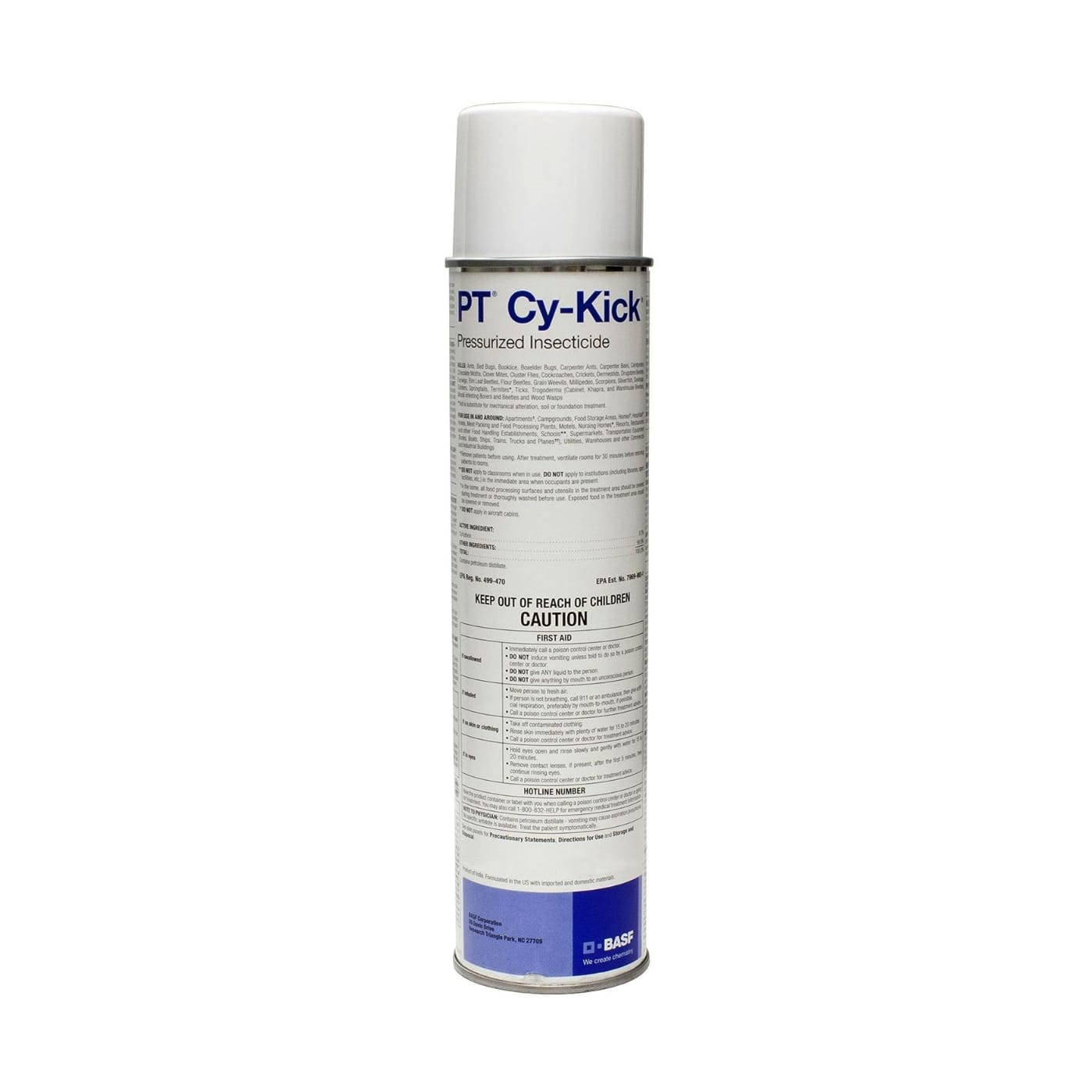
Cy-Kick Crack & Crevice Pressurized Residual contains 0.1% Cyfluthrin (Pyrethroid). Cy Kick has long residual properties and kills a broad spectrum of insects. It is ideal for residential or commercial use.
BUNDLE & SAVE 5%!
Product Information
Cy-Kick Crack & Crevice Pressurized Residual Aerosol-17.5 oz
Cy-Kick Crack & Crevice Pressurized Residual contains 0.1% Cyfluthrin (Pyrethroid) and provides a quick knockdown of insects. Cy Kick has long residual properties and kills a broad spectrum of insects. It is ideal for residential or commercial use.
Apply Cy- Kick as a crack and crevice treatment using the prescribed dosage into cracks, crevices, and void spaces where insects may be harboring. Cy Kick Aerosol is labeled for ants, booklice, boxelder bugs, carpenter ants, carpenter bees, centipedes, chocolate moths, clover mites, cluster flies, cockroaches, crickets, silverfish, scorpions, silverfish, sowbugs, spiders, springtails, termites, ticks, trogoderma, wood infesting borers and beetles, and wood wasps.
Cy-Kick Crack & Crevice Pressurized Residual - Features
- Excellent knockdown and residual properties
- Broad-spectrum activity
- Ideal for use in both residential and commercial accounts
- Great for wood injection
- System III Compatible
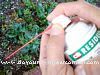 How to place crack and crevice tips on aerosols
| Packaging | 17.5 oz |
|---|---|
| Product Label | Label |
| SDS | MSDS |
| More PDF's | N/A |
| Target Pest | Ants, Booklice, Boxelder Bugs, Carpenter Ants, Carpenter Bees, Centipedes, Chocolate Moths, Clover Mites, Cluster Flies, Cockroaches, Crickets, Dermestids, Drugstore Beetles, Earwigs, Elm Leaf Beetles, Flour Beetles, Grain Weevils, Millipedes, Scorpions, Silverfish, Sowbugs, Spiders, Springtails, Termites*, Ticks, Trogoderma (Cabinet, Khapra and Warehouse Beetles), Wood Infesting Borers and Beetles and Wood Wasps |
| Active Ingredient (s) | Cyfluthrin 0.1% |
| For Use : | Apartments, Campgrounds, Food Storage Areas, Homes†, Hospitals*, Hotels, Meat Packing and Food Processing Plants, Motels, Nursing Homes*, Resorts, Restaurants and other Food Handling Apartments, Campgrounds, Food Storage Areas, Homes†, Hospitals*, Hotels, Meat Packing and Food Processing Plants, Motels, Nursing Homes*, Resorts, Restaurants and other Food Handling Establishments, Schools**, Supermarkets, Transportation Equipment (Buses, Boats, Ships, Trains, Trucks and Planes††), Utilities, Warehouses and other Commercial and Industrial Buildings * See Label |
| Yield | N/A |
| Mixture|Application | Crack & Crevice areas, voids, directed Contact/Spot |
| Application | Indoor TreatmentsCrawling Insects - cockroaches, dermestids, scorpions, spiders, earwigs, crickets, sowbugs, millipedes, centipedes Apply Cy Kick Aerosol as a crack and crevice treatment into cracks, crevices, and void spaces where insects may be harboring (see label for prescribed dosage). Suggested areas are openings around pipes and sinks, under refrigerators, behind baseboards, washing machines, stoves, cabinets, sewers, floor drains, and meter boxes. Spot treatment with Cy Kick Aerosol may also be made to areas including, but not limited to, storage areas; closets; around water pipes, doors and windows; around refrigerators, cabinets, sinks, stoves and other equipment; shelves, drawers, and similar areas. Ticks Apply Cy Kick Aerosol as a crack and crevice treatment or spot treatment into infested and off laying sites near pet resting areas including, but not limited to, cracks and crevices of baseboards and around door and window frames. Ants Apply Cy Kick Aerosol as a crack and crevice treatment into cracks, crevices, and voids where ants may be traveling and/or harboring, including, but not limited to, around doors, window frames, wall voids, and other structural cracks and crevices. Spot treatment with Cy Kick Aerosol may also be made to areas including, but not limited to, storage areas, closets, around refrigerators, cabinets, sinks, stoves and other equipment, shelves, drawers, and similar areas. Booklice & Silverfish Apply Cy Kick Aerosol as a crack and crevice treatment into cracks and crevices of baseboards, door frames, bookcases, and other harborage sites. Spot Treatment may also be made to areas including, but not limited to, storage areas, closets, around water pipes, doors and windows, around refrigerators, cabinets, sinks, stoves, and other equipment; shelves, drawers, and similar areas. Grain weevils, flour beetles, chocolate moths, drugstore beetles, trogodenmas (in exposed adult and larval stages) and hibernation stages of boxelder bugs, elm leaf beetles, cluster flies, and clover mites: Apply Cy Kick Aerosol as a crack and crevice treatment into cracks, crevices, and/or voids where these areas may include, but not limited to, cracks and crevices in cabinets and pantries, wall voids, around window and door frames, under siding, and in machinery. Spot treatment may also be made to areas including but not limited to, storage areas, closets, around water pipes, doors and window,; around refrigerators, cabinets, sinks, stoves and other equipment; shelves, drawers, and similar areas. |
| Shipping Restrictions | AK, HI Can not be shipped by expedited choices, per air regulations. |